Subject
165 articles
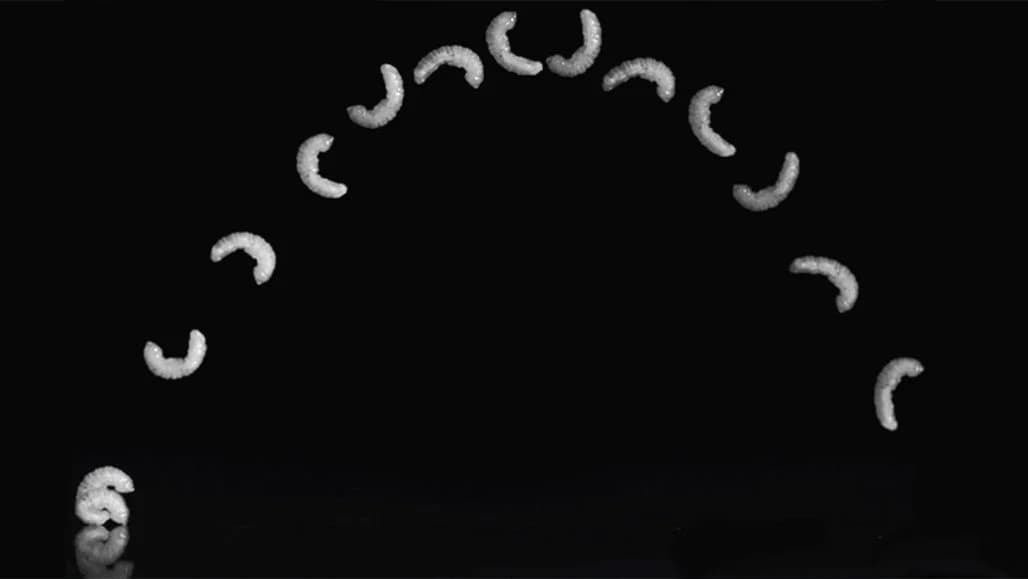
Jumping insects are a familiar sight: Jumping by legless, wormlike larvae is altogether unexpected. We used high-speed imaging and scanning electron microscopy...
A 165 million-year-old mammalian skeleton from China with preserved tongue bones demonstrates that active muscle-powered swallowing originated much earlier in...
High mountains around the globe have long been thought to represent pristine ecosystems that have been reshaped by humans quite late in the earth's history....
The new coronavirus which is causing the ongoing global crisis is evolutionarily related to SARS-CoV: the very same which induced the SARS outbreak in the...
Analysis of the CoV-19 genome reveals two crucial mutations responsible for its efficient capacity to infect humans. There are two possible scenarios of how...
Think about prehistoric food. Images of chunks of roasted meat may appear before your inner eye, maybe also of coarse flatbread, porridge, a slice of cheese,...
We found indications that humans may have had a major impact on the extinction of cave bears in Europe during the last ice age. In our study, we found a...
Viruses, once thought specific to managed honey bees, have now been detected in wild bee species, including bumble bees. Our study tested whether virus...
As humans continue to alter habitats, wildlife struggles for space. However, some wild animals are finding refuge in urban areas, where food is plentiful. One...
Peppered moth caterpillars are masters of masquerade. They look and act like the twigs in their environment, even changing colour to create a closer likeness....
Species on Earth are interconnected to each other through ecological interactions. Human activities can erode those connections, leading to the loss of...
We recovered DNA from two 120,000-year-old Neandertal bones discovered in Europe. All later Neandertals trace at least part of their ancestry to these early...